
Choosing the skin whitening cream can be confusing because the market is full of products that promise quick results. Some creams claim to lighten the skin in just a few days, while others promise to remove dark spots and pigmentation permanently. However, dermatologists recommend focusing on products that improve skin tone safely instead of using harmful ingredients that may damage the skin.
Healthy skin is not about changing your natural complexion. It is about achieving a brighter, more even-looking appearance by reducing pigmentation, acne marks, sun damage, and dullness. This article explains what dermatologists recommend, which ingredients are considered safe, and why brands like QHC are becoming a preferred choice for many skincare users in Pakistan.
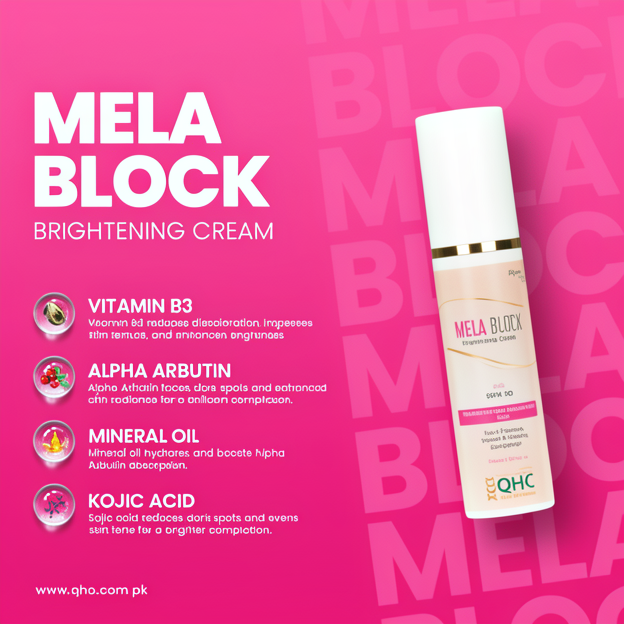
What Do Dermatologists Recommend?
Most dermatologists agree that the best skincare products are those that improve skin health while treating concerns such as:
- Hyperpigmentation
- Acne scars
- Melasma
- Uneven skin tone
- Sun damage
- Dark spots
Rather than choosing creams based only on marketing claims, dermatologists advise checking the ingredient list and selecting products that have scientifically proven ingredients.
A quality cream should brighten the skin gradually without causing irritation or long-term damage.
What Makes the Best Skin Whitening Cream in Pakistan?
The Best Skin Whitening Cream in Pakistan should contain ingredients that are both safe and effective. Instead of harsh bleaching agents, experts recommend creams with skin-friendly brightening ingredients.
Niacinamide
Niacinamide helps reduce pigmentation, strengthens the skin barrier, and improves overall skin texture. It is suitable for almost every skin type.
Vitamin C
Vitamin C is a powerful antioxidant that helps reduce dullness, brighten the complexion, and protect the skin from environmental damage.
Alpha Arbutin
Alpha Arbutin is widely recommended for treating dark spots and uneven skin tone. It provides gradual skin brightening with fewer side effects than stronger alternatives.
Kojic Acid
Kojic Acid helps reduce melanin production and is commonly used to improve pigmentation caused by acne or sun exposure.
Hyaluronic Acid
Although Hyaluronic Acid does not whiten the skin, it keeps the skin hydrated and healthy, making the complexion appear brighter and smoother.
Ingredients to Avoid
Dermatologists in Pakistan often warn patients against using creams that contain harmful ingredients without medical supervision.
These include:
- High-strength Hydroquinone without a prescription
- Mercury
- Unapproved steroids
- Unknown bleaching chemicals
Long-term use of these ingredients may cause skin thinning, redness, irritation, and permanent skin damage.
Always purchase skincare products from trusted sellers and carefully read the ingredient list before buying.
Why Many People Choose QHC
Among the skincare brands available today, QHC has gained attention for offering products that focus on skin health rather than unrealistic promises.
Instead of promoting instant whitening, QHC emphasizes improving skin texture, reducing dark spots, and supporting an even-looking complexion through carefully selected skincare ingredients.
Many users appreciate QHC because it aims to deliver gradual, natural-looking results while encouraging a complete skincare routine that includes cleansing, moisturizing, and daily sunscreen use.
How to Choose the Right Cream for Your Skin Type
Every skin type has different needs. Choosing the wrong product may lead to irritation or breakouts.
For Oily Skin
Look for:
- Lightweight texture
- Oil-free formula
- Non-comedogenic ingredients
For Dry Skin
Choose creams that include:
- Ceramides
- Hyaluronic Acid
- Glycerin
These ingredients help maintain moisture while improving skin brightness.
For Sensitive Skin
Sensitive skin requires gentle formulations that are free from harsh fragrances and strong bleaching agents.
A patch test is always recommended before using any new skincare product.
Can Skin Whitening Creams Remove Dark Spots?
Yes, many dermatologist-recommended creams are designed to reduce pigmentation rather than change your natural skin color.
With regular use, ingredients such as Vitamin C, Alpha Arbutin, Kojic Acid, and Niacinamide can visibly reduce:
- Acne marks
- Sun spots
- Age spots
- Post-inflammatory pigmentation
Results usually become noticeable after several weeks of consistent use.
How Long Does It Take to See Results?
Skincare requires patience.
Most dermatologist-approved brightening creams show visible improvement within 6 to 12 weeks, depending on:
- Skin type
- Severity of pigmentation
- Product ingredients
- Consistency of use
- Daily sun protection
Products claiming overnight whitening should be approached with caution.
Why Sunscreen Is Essential
Even the best skin whitening cream in Pakistan cannot deliver lasting results without sunscreen.
Ultraviolet (UV) rays increase melanin production, making pigmentation worse and reversing the benefits of brightening creams.
Dermatologists recommend using a broad-spectrum sunscreen with SPF 30 or higher every morning, even on cloudy days.
This simple habit helps protect your skin and maintain an even complexion.
Daily Skincare Routine for Better Results
For the best outcome, dermatologists recommend following a complete skincare routine.
Morning Routine
- Wash your face with a gentle cleanser.
- Apply a brightening cream or serum.
- Use a moisturizer if needed.
- Finish with sunscreen.
Night Routine
- Cleanse your skin thoroughly.
- Apply your treatment cream, such as QHC, according to the product instructions.
- Use a moisturizer to support skin hydration overnight.
Consistency is far more important than using multiple products at once.
Common Mistakes People Make
Many people expect instant whitening, but skincare does not work that way.
Avoid these common mistakes:
- Applying excessive amounts of cream
- Skipping sunscreen
- Using multiple active ingredients without guidance
- Buying counterfeit products
- Switching products too frequently
- Ignoring patch testing
Healthy skincare is based on consistency and patience rather than quick fixes.
Frequently Asked Questions
Which skin whitening cream is recommended by dermatologists in Pakistan?
Dermatologists generally recommend products that contain ingredients such as Niacinamide, Vitamin C, Alpha Arbutin, or Kojic Acid. The right choice depends on your skin type and specific concern.
Is QHC suitable for daily use?
Follow the instructions provided with the product. If you have sensitive skin or a medical skin condition, consult a dermatologist before adding any new skincare product to your routine.
Can skin whitening creams permanently lighten skin?
No. Most dermatologist-recommended products work by reducing pigmentation and improving skin tone. They do not permanently change your natural skin color.
Are natural ingredients better than medicated creams?
Both can be effective. What matters most is whether the product contains evidence-based ingredients, is appropriate for your skin type, and is used correctly.
Final Thoughts
Finding the best skin whitening cream in Pakistan involves more than choosing the most popular product. Dermatologists recommend focusing on safe, scientifically supported ingredients that improve overall skin health while reducing pigmentation, dark spots, and uneven tone.
Brands like QHC are gaining recognition because they prioritize healthier-looking skin rather than unrealistic whitening claims. Combined with a gentle skincare routine, daily sunscreen, and consistent use, the right cream can help you achieve a brighter, smoother, and more even-looking complexion over time.
For lasting results, always choose quality products, follow the instructions carefully, and seek advice from a qualified dermatologist if you have persistent pigmentation or sensitive skin.