
The best cream is the one that solves your skin’s main complaint without creating a new one. Oily and combination skin do well with a light oil-free formula. Dry skin needs a richer cream with nourishing oils. Very dry skin needs a thick gel-cream that repairs the outer barrier. Read the signals your face gives you first. Then match the texture. Then confirm it on the label.
Start With What Your Skin Complains About
Most people pick a cream by its price or its packaging. Your skin gives better clues.
- Shine on the nose and forehead by noon points to extra oil.
- A tight feeling after washing points to dryness.
- Flaky patches around the mouth or cheeks point to a weak barrier.
- Stinging or redness after a new product points to sensitivity.
- Shine in the T-zone with dry cheeks points to a mix of both.
Look at your face in daylight about three hours after washing. Do not add any product. What you see and feel at that point is your real starting line.
Why a Wrong Match Causes Trouble
A cream that is too heavy sits on oily skin and blocks pores. That often leads to bumps and blackheads. A cream that is too light leaves dry skin thirsty. It feels fine for ten minutes and then the tightness returns.
A good moisturizer does two jobs. It pulls water into the top layer of skin. It also forms a soft seal so that water stays there. Different skin needs a different balance of these two jobs.
Oily and Combination Skin: Keep It Light
Oily skin still needs water. When you skip the cream the skin can produce even more oil to make up for the loss. The fix is a formula that hydrates without leaving a greasy film. Look for words like non-comedogenic and oil-free on the label.
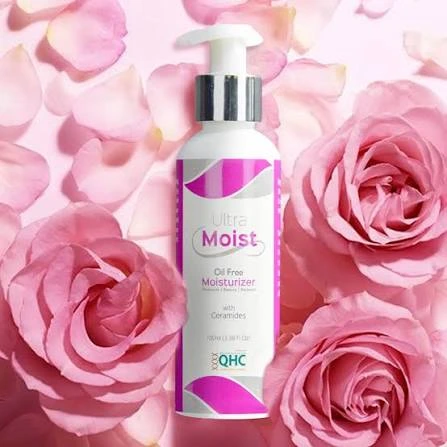
QHC Ultra Moist Oil-Free Moisturizer
This is the lightest option in the QHC range. It is made for oily and combination skin. It is non-comedogenic so it does not clog pores. It sinks in fast and leaves a soft finish rather than a slick one. That makes it easy to wear under sunblock or makeup.
You can see it here: Ultra Moist Oil-Free Moisturizer
Dry Skin: Add Comfort and Oils
Dry skin lacks natural oils. It feels rough by the afternoon and can look dull. A cream with plant oils and butters fills that gap. It softens the surface and slows water loss.
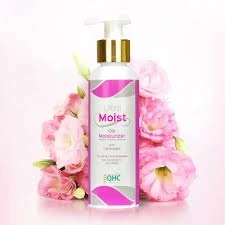
QHC Ultra Moist Oily Moisturizer
Do not let the name confuse you. This is the richer formula in the range and it is meant for dry skin. It contains shea butter along with almond and coconut oils. It also has olive and wheat germ oils. Together they cushion the skin and keep it soft for longer. If your face feels tight by lunchtime this is the one to look at.
You can see it here: Ultra Moist Oily Moisturizer
Very Dry Skin: Repair the Barrier
Extra dry skin often has more than a lack of oil. The barrier itself is worn down. Water escapes fast and the skin can crack or peel. This needs a thicker seal that stays in place.
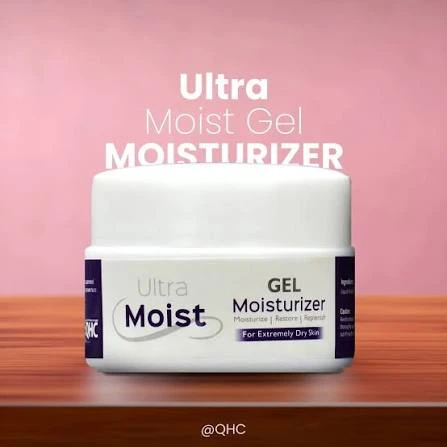
QHC Ultra Moist Gel Moisturizer
This formula is built for extra dry skin. It uses a blend of liquid paraffin and petrolatum along with olive extract. Those ingredients lock water in and help the barrier recover. It works well on rough patches and in cold dry weather.
You can see it here: Ultra Moist Gel Moisturizer
Sensitive Skin: Go Slow
Sensitive skin reacts to many things. Fragrance and strong activities are common triggers. Choose a short ingredient list and test before you commit. Put a small amount behind your ear or on your inner arm for two days. If nothing happens you can move to your face. If you have a long history of redness or eczema a dermatologist can guide you better than any label.
Three Label Checks Before You Buy
- The first few ingredients. These make up most of the product. Water and glycerin suggest a lighter cream. Butters and oils suggest a richer one.
- The claims that matter. Non-comedogenic helps oily skin. Barrier support helps dry skin.
- The maker. QHC products are developed by US board certified dermatologists. Knowing who formulated a product adds trust.
How to Apply It Properly
- Wash your face with a gentle cleanser.
- Pat the skin dry but leave it slightly damp.
- Use a small amount. A pea-sized drop for oily skin and a coin-sized amount for dry skin is a good start.
- Press it in with your fingers rather than rubbing hard.
- Wait a minute and then apply sunblock in the morning.
Common Mistakes
- Skipping cream because your face is oily.
- Using a thick cream all year even when the weather changes.
- Changing products every week. Give one product about four weeks.
- Putting cream on very dirty skin.
FAQs
Can I use the same cream in summer and winter?
Many people switch. A lighter formula suits hot months. A richer one suits cold dry months.
How do I know if a cream is too heavy for me?
New bumps or a greasy look within an hour are the usual signs.
Should oily skin skip moisturizer at night?
No. Oily skin still loses water while you sleep. A light formula is enough.
Can I use body cream on my face?
It is better not to. Facial skin is thinner and reacts faster.
How long before I see a difference?
Comfort improves within days. Real barrier repair can take a few weeks.