
Hair fall is one of the most common concerns among men and women across Pakistan. While factors such as genetics, stress, hormonal changes, nutrition, and lifestyle habits often receive the most attention, one potential cause is frequently overlooked: hard water.
Many households in Pakistan receive water that contains high levels of minerals. Over time, this mineral-rich water can affect the condition of both the scalp and hair, leading many people to wonder whether hard water could be contributing to their excessive hair shedding.
If you’ve tried multiple hair care products but still struggle with dull, dry, or thinning hair, hard water may be playing a larger role than you realize.
What Is Hard Water?
Hard water contains elevated levels of dissolved minerals, primarily:
- Calcium
- Magnesium
- Iron
- Other mineral deposits
These minerals are naturally present in groundwater and are common in many regions of .
Although hard water is generally considered safe for everyday use, it can create challenges for hair and scalp health when exposure occurs regularly over long periods.
Can Hard Water Directly Cause Hair Fall?
The relationship between hard water and hair fall is complex.
Hard water may not directly damage hair follicles in the same way as certain medical conditions, but it can create scalp and hair problems that contribute to increased hair breakage and shedding.
Many people notice improvements in hair texture and manageability after reducing their exposure to hard water or adjusting their hair care routine.
How Hard Water Affects Hair Health
Mineral Buildup on the Hair Shaft
One of the most common effects of hard water is mineral accumulation.
When minerals repeatedly coat the hair strands, they can leave behind a residue that makes hair feel:
- Rough
- Dry
- Brittle
- Difficult to manage
This buildup may reduce hair’s natural softness and shine.
Increased Hair Breakage
Dry and brittle hair is more likely to break during:
- Brushing
- Combing
- Styling
- Washing
Many individuals mistake this breakage for hair fall because large numbers of broken strands appear in brushes, drains, and on clothing.
Difficulty Absorbing Moisture
Mineral deposits can create a barrier around the hair shaft.
As a result, moisturizing products may struggle to penetrate effectively, leaving hair dehydrated despite regular conditioning.
Scalp Irritation
Hard water can sometimes contribute to:
- Scalp dryness
- Itching
- Flaking
- Sensitivity
An unhealthy scalp environment may affect overall hair quality and growth over time.
Signs That Hard Water May Be Affecting Your Hair
You may be dealing with hard water-related hair issues if you notice:
- Increased hair breakage
- Persistent dryness
- Dull-looking hair
- Difficulty lathering shampoo
- Product buildup
- Rough hair texture
- Frizzy or unmanageable strands
- Dry or irritated scalp
While these symptoms can have multiple causes, hard water is often a contributing factor.
Why Hair Health Starts with a Healthy Scalp
Healthy hair growth depends heavily on scalp condition.
The scalp acts as the foundation for strong, resilient hair. When dryness, buildup, or irritation develops, it can affect the overall appearance and health of your hair.
A balanced scalp care routine should focus on:
- Gentle cleansing
- Hydration
- Nourishment
- Protection from environmental stressors
Addressing scalp health often improves the overall condition of the hair over time.
How to Protect Your Hair from Hard Water
Use a Clarifying Shampoo Occasionally
Clarifying shampoos help remove excess mineral deposits and product buildup from the scalp and hair.
However, they should be used carefully, as excessive use may contribute to dryness.
Deep Condition Regularly
Deep-conditioning treatments help restore moisture and improve hair softness.
Hydrated hair is generally more resistant to breakage and environmental damage.
Avoid Excessive Heat Styling
Hair that has already been weakened by dryness may become even more vulnerable when exposed to high heat.
Reducing the use of hot styling tools can help preserve hair strength.
Focus on Hair Nourishment
A consistent routine that includes moisturizing and nourishing products can help improve hair texture and manageability.
This is where targeted hair care solutions become valuable.
How QHC Supports Hair Care and Scalp Health
QHC understands that healthy hair requires more than just cleansing. Environmental factors, including hard water exposure, can affect hair quality, making proper nourishment and care increasingly important.
A comprehensive hair care routine should support:
- Hair hydration
- Scalp comfort
- Hair strength
- Hair repair
- Reduced breakage
- Healthier-looking strands
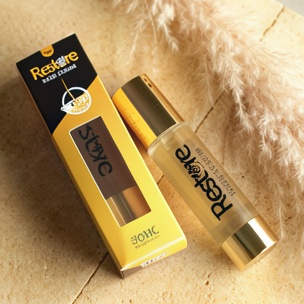
Products such as QHC Hair Serum are designed to complement a balanced hair care routine by helping improve the appearance and feel of hair while supporting overall hair wellness.
QHC focuses on solutions that help individuals maintain healthier, stronger, and more manageable hair despite everyday environmental challenges.
Additional Habits That Support Stronger Hair
Maintain a Balanced Diet
Hair health is influenced by overall nutrition.
A diet rich in protein, vitamins, and minerals helps support normal hair growth and strength.
Stay Hydrated
Proper hydration supports overall skin and scalp health.
Manage Stress Levels
Stress is a well-known contributor to increased hair shedding in many individuals.
Follow a Consistent Hair Care Routine
Consistency often delivers better results than frequently changing products.
Using trusted hair care solutions from brands like QHC can help support long-term hair maintenance.
Common Myths About Hard Water and Hair Fall
1: Hard Water Is the Only Cause of Hair Fall
Hair fall can result from multiple factors, including genetics, hormonal changes, nutritional deficiencies, and stress.
2: Hard Water Permanently Damages Hair
Most hard water-related effects can be managed through proper hair care and scalp maintenance.
3: Oily Hair Is Protected from Hard Water
Even oily hair can experience mineral buildup and scalp irritation from hard water exposure.
4: Changing Shampoo Alone Solves the Problem
Addressing hard water-related issues often requires a complete approach that includes cleansing, hydration, nourishment, and scalp care.
Final Words
Hard water may not be the sole cause of hair fall, but it can contribute significantly to dryness, brittleness, scalp irritation, and hair breakage. For many people , mineral-rich water is an overlooked factor that affects overall hair quality and manageability.
The good news is that with the right hair care routine, proper hydration, and nourishing products, the effects of hard water can often be minimized. By focusing on scalp health, strengthening the hair shaft, and using trusted solutions from QHC, you can help maintain healthier, stronger, and more resilient hair over time.
Understanding the role of hard water is an important step toward achieving better hair health and making informed decisions about your daily hair care routine.
Frequently Asked Questions
1. Can hard water actually cause hair fall?
Hard water may contribute to increased hair breakage and scalp issues, which can make hair appear thinner over time.
2. How can I tell if hard water is affecting my hair?
Common signs include dryness, dullness, frizz, scalp irritation, and increased breakage.
3. Is hard water common ?
Yes. Many areas have water supplies with higher mineral content that may affect hair and skin.
4. Can hair damaged by hard water recover?
In many cases, proper hydration, nourishment, and a consistent hair care routine can help improve hair condition.
5. What helps protect hair from hard water?
Regular cleansing, deep conditioning, scalp care, hydration, and supportive products from trusted brands like QHC can help minimize the effects of hard water exposure.